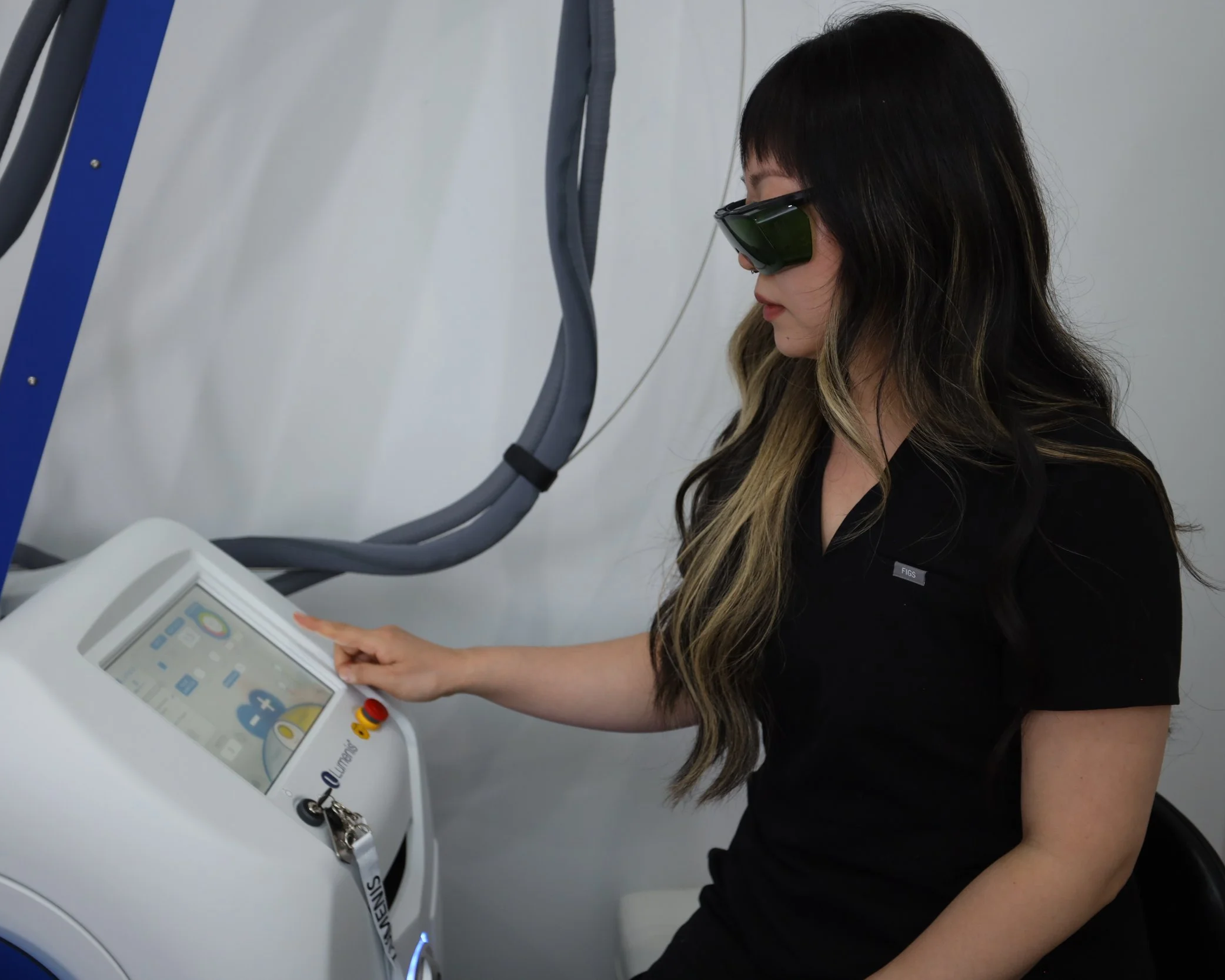
Laser hair removal is a popular, effective way to reduce unwanted hair—but your results (and safety) depend on more than just the laser itself. Certain medications can make your skin more sensitive to light, increase the risk of burns, or slow down healing after treatment.
If you’re planning laser hair removal in Bellevue, Washington, here’s what you need to know about medications that may interfere with the process.Why Medications Matter with Laser Hair Removal
Laser hair removal works by targeting pigment (melanin) in the hair follicle using concentrated light energy. Some medications can:
Increase photosensitivity (skin reacts more strongly to light)
Make skin thinner or more fragile
Slow skin repair and healing
Increase the risk of burns, blistering, or hyperpigmentation
This is especially important to consider year-round—even in the Pacific Northwest—since medication-related sensitivity is independent of sun exposure.
Common Medications to Avoid or Disclose
1. Photosensitizing Antibiotics
Certain antibiotics can make your skin extremely sensitive to light, increasing the risk of burns or discoloration during laser hair removal.
Common examples include:
Doxycycline
Minocycline
Tetracycline
Ciprofloxacin
Levofloxacin
Typical guidance:
Wait 1–2 weeks after finishing these medications before laser treatment, unless your provider advises otherwise.
2. Acne Medications (Topical & Oral)
Many acne treatments increase cell turnover or thin the skin, making it more vulnerable to laser energy.
Use caution with:
Isotretinoin (Accutane)
Tretinoin / Retin-A
Adapalene
Benzoyl peroxide (on treatment areas)
Important:
Oral isotretinoin may require a 6–12 month waiting period after discontinuation, depending on medical guidance.
3. Blood Thinners
Although laser hair removal is non-invasive, blood-thinning medications can increase bruising or prolonged redness.
Examples include:
Warfarin
Heparin
Certain high-dose aspirin regimens
These medications don’t always prevent treatment, but they must be disclosed before your appointment.
4. Hormonal Medications
Hormonal medications can affect hair growth patterns and how well laser hair removal works.
Examples include:
Birth control pills
Hormone replacement therapy
Testosterone therapy
Treatment is usually safe, but some clients may need additional sessions for optimal results.
5. Anti-Inflammatory & Pain Medications
Some anti-inflammatory medications can increase photosensitivity or interfere with healing.
Examples include:
Ibuprofen (especially high doses)
Naproxen
Many Bellevue-area providers recommend avoiding these 24–48 hours before treatment, unless medically necessary.
6. Herbal Supplements That Increase Sensitivity
Even natural supplements can impact your laser hair removal results.
Common examples:
St. John’s Wort
Turmeric (high doses)
Ginkgo biloba
These may increase bruising or light sensitivity and should be disclosed before treatment.
Topical Products to Avoid Before Treatment
In addition to oral medications, avoid applying the following to the treatment area unless instructed otherwise:
Retinoids
Chemical exfoliants (AHAs, BHAs)
Hydroquinone
Self-tanners
Most providers recommend stopping these products 5–7 days before laser hair removal.
Always Tell Your Provider
Whether you’re visiting a medical spa or laser clinic, full transparency is essential. Even medications that seem unrelated can affect your treatment.
Your provider may adjust:
Laser settings
Treatment timing
Pre- and post-care instructions
This ensures your skin stays safe and your results are as effective as possible.
Final Thoughts
Laser hair removal is a safe and effective treatment when proper precautions are taken. Reviewing your medications beforehand is one of the most important steps you can take to protect your skin and achieve the best results.
If you’re unsure whether a medication is safe, always consult your provider before your appointment.
Healthy skin leads to better laser results—every time.